Every apparel and textile brand selling into the EU will soon need a Digital Product Passport (DPP) for the products it sells. The rules aren’t final yet, but the direction is: brands that start building their product data infrastructure now will have a real head start over brands that wait for the delegated act to land.
This guide covers what the Digital Product Passport is, who it applies to, the current EU timeline, what data you’ll need to collect, and how a platform like Portia helps textile and apparel brands get ready without hiring a compliance team.
What Is the Digital Product Passport (DPP)?
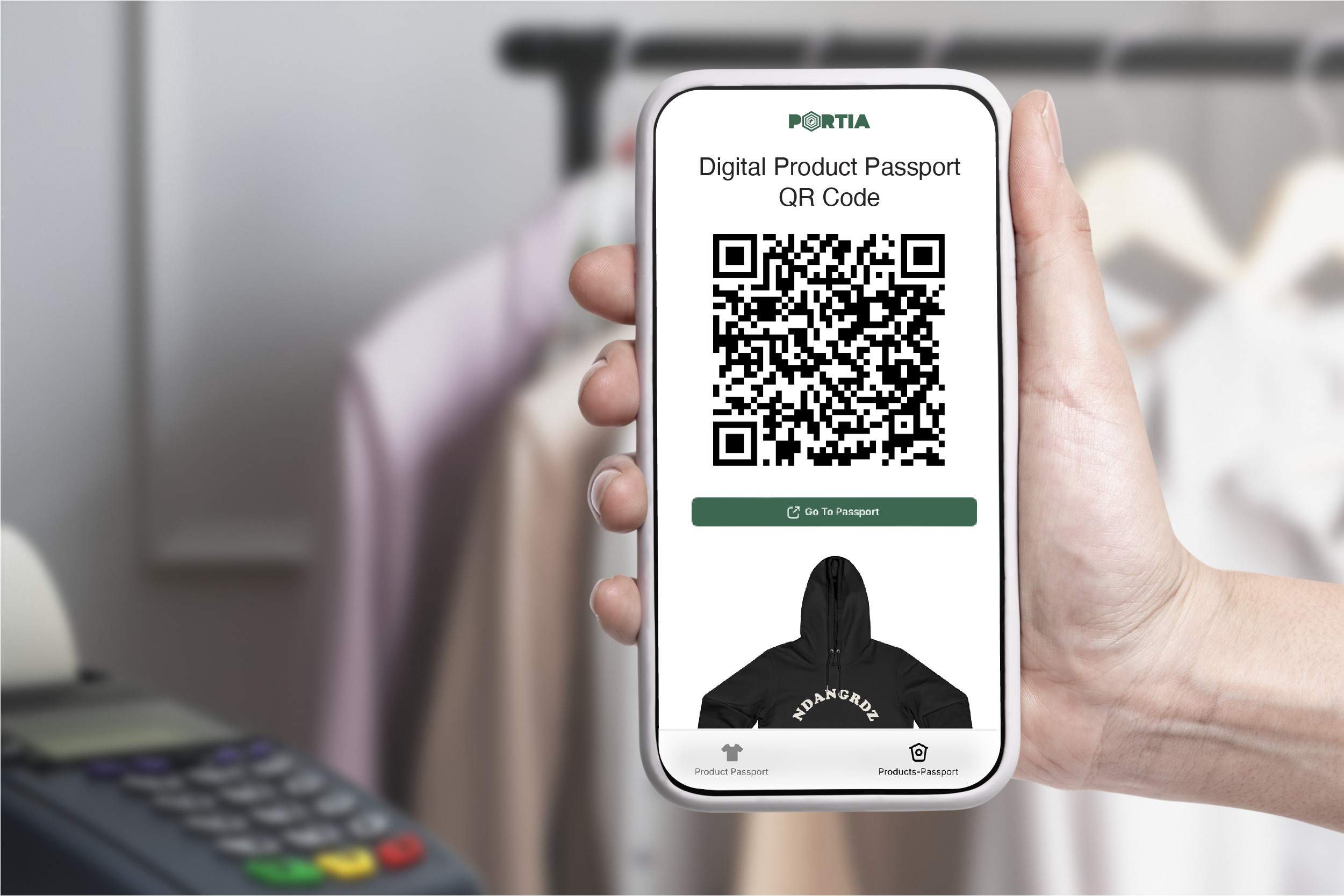
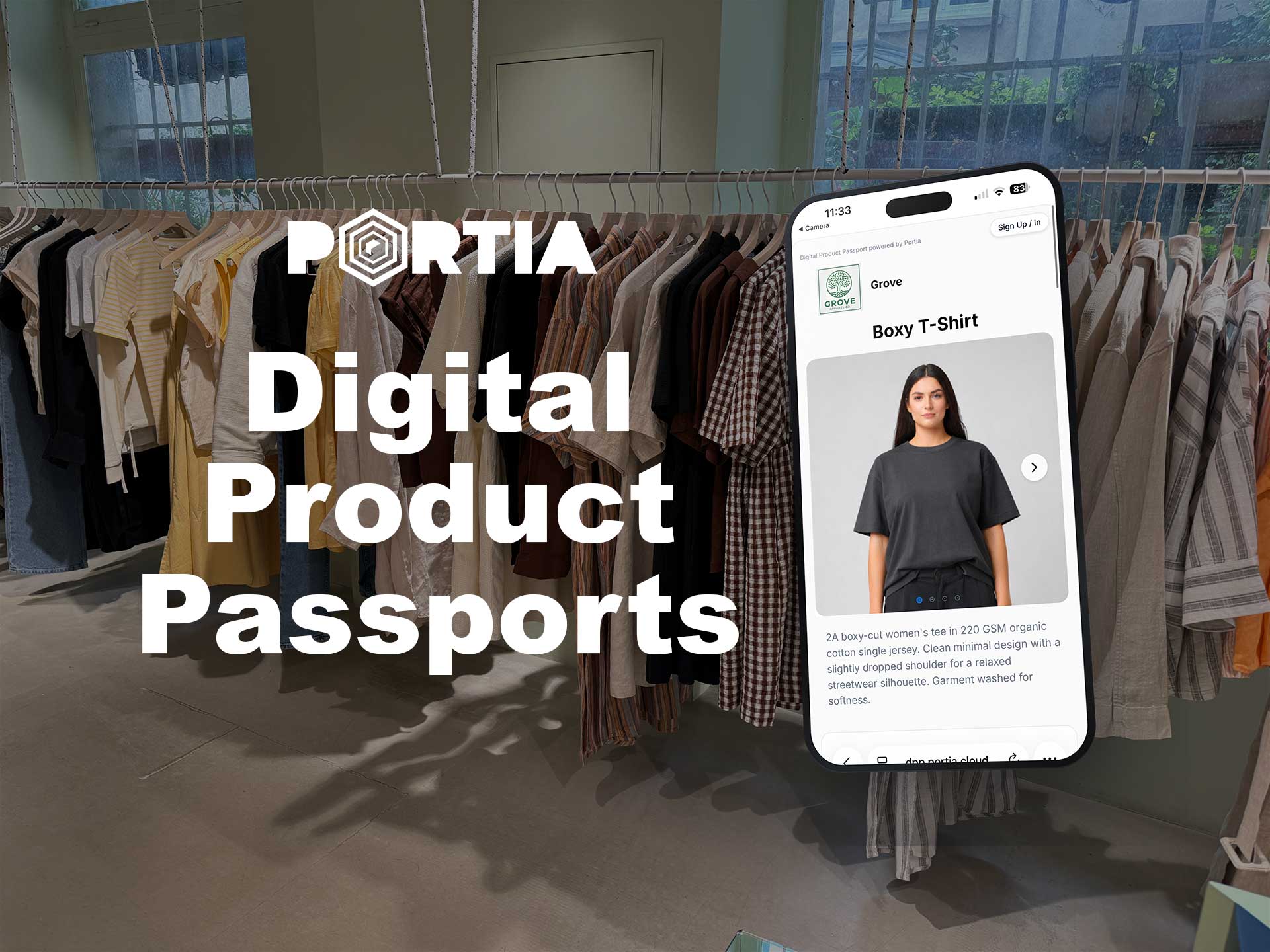
The Digital Product Passport is a structured digital record, attached to a physical product via a QR code or similar identifier, that gives regulators, retailers, and consumers access to information about that product’s materials, origin, manufacturing, environmental impact, and end-of-life options.
It’s established under the EU’s Ecodesign for Sustainable Products Regulation (ESPR), which entered into force in 2024. ESPR is a framework regulation, it sets the legal basis for the DPP but doesn’t itself define product-specific requirements. Those details come through separate “delegated acts,” issued category by category.
Is the Digital Product Passport Mandatory for Textiles?
Yes, textiles (with a particular focus on apparel) are named as a priority product group under the European Commission’s ESPR Working Plan 2025-2030. That means a textile-specific delegated act, the document that will set the exact data fields, formats, and compliance dates – is coming, even though it hasn’t been finalized yet.
When Do Textile Brands Need to Comply?
Based on the Commission’s published timeline as of late 2026:
- 2024 – ESPR entered into force, establishing the legal framework and naming textiles a priority category.
- 2025 – The ESPR Working Plan
- 2025-2030 confirmed textiles (with a focus on apparel) among the first product groups to get a delegated act.
- July 2026 – The EU’s DPP Registration System became operational.
- Q4 2027 (indicative, per the European Commission) – The textile-specific delegated act is planned for adoption, setting out exact mandatory data fields and formats.
- At least 18 months after the act enters into force – Brands get a minimum transition period before the requirements apply, which puts the earliest likely mandatory date for new textile products in mid-to-late 2029 (an estimate). We track every date in our ESPR Textile DPP Tracker.
These dates aren’t locked in law yet, and the exact scope (including whether and how footwear is covered) is still being finalized. But the pattern across every credible source is the same: the delegated act is close, and the transition window (roughly 18 months) is shorter than most brands assume once it’s confirmed.
Which Brands Does the DPP Apply To?
Under current ESPR direction, the DPP is expected to apply to apparel and textile products sold in the EU market regardless of where the brand is headquartered or how large it is. If you sell into the EU, this affects you, including non-EU manufacturers and brands, since retailers and buyers will start requesting DPP-ready data from their supply chain ahead of the mandatory date.
What Data Will a Textile DPP Require?
While the final mandatory field list won’t be locked until the delegated act is published, current EU preparatory studies point toward these categories:
- Material composition and fiber origin
- Manufacturing location and process data
- Chemical compliance information
- Core environmental indicators (e.g. carbon and water footprint data)
- Durability and repairability information
- Supply chain and traceability data (supplier, tier, and production site history)
- End-of-life / circularity guidance for the consumer
Notably, the traceability and material data you collect for the DPP also overlaps significantly with what’s required under related EU due diligence rules (like the CSDDD),meaning brands that build this data infrastructure once can generally reuse it to satisfy more than one regulation.
Why Fashion Brands Shouldn’t Wait for the Final Delegated Act
Compliance isn’t something you can start 18 months before your deadline and still make it. The data collection work; getting suppliers to report fiber origin, processing details, and certifications consistently, takes far longer to operationalize than the actual DPP publishing step. Brands that wait for the delegated act to be finalized before starting are choosing to compress years of supplier-data groundwork into a matter of months.
The brands in the best position when the textile delegated act lands will be the ones who already have:
A single system collecting product, material, and supplier data (instead of scattered spreadsheets)
Existing supplier relationships trained to report structured data
QR-code or product-identifier infrastructure already in place
A process for keeping product data current as ranges change season to season
How Portia Helps Textile and Apparel Brands Prepare for DPPs
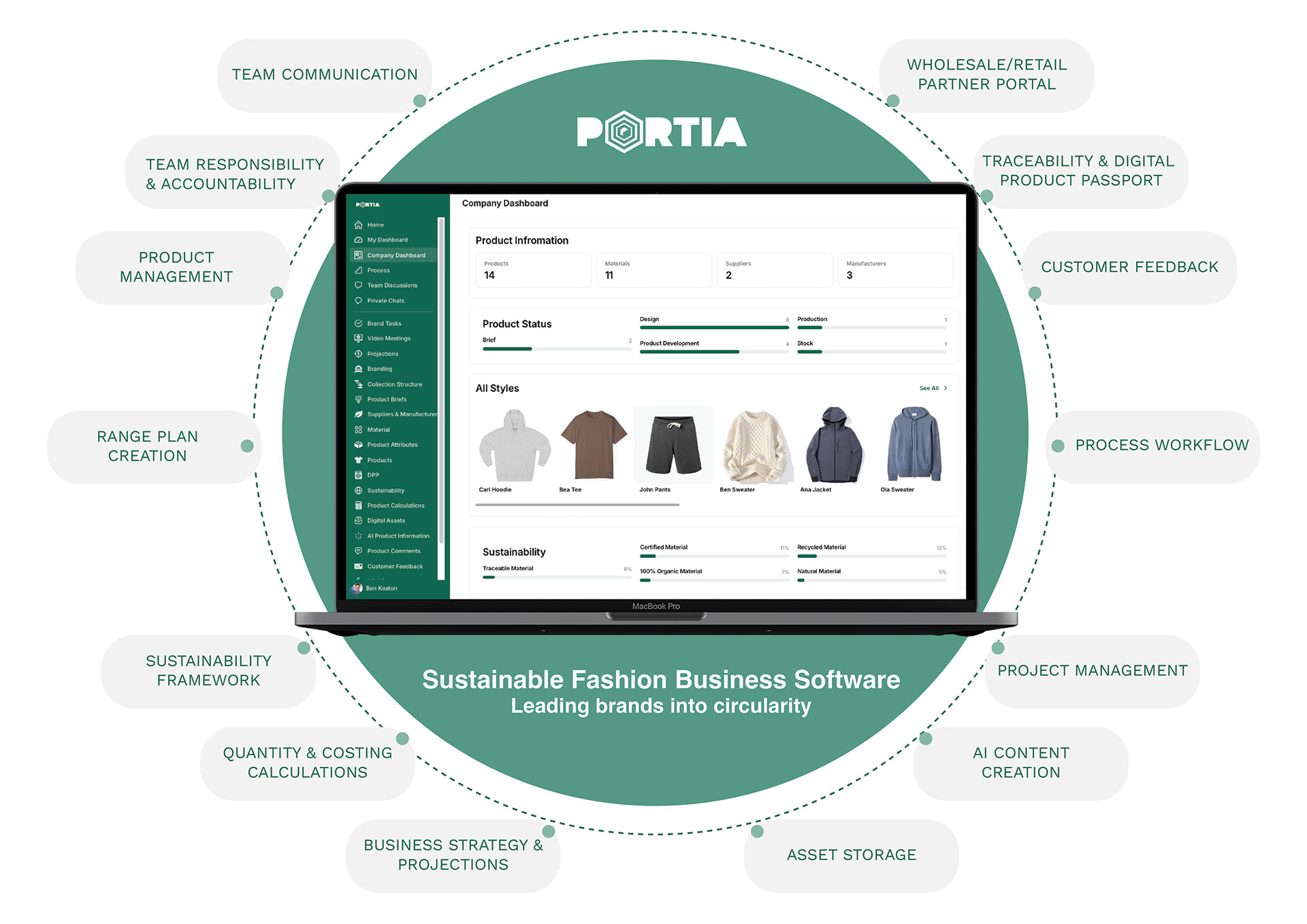
Portia is a sustainable fashion business platform built specifically for small and mid-size textile and apparel brands preparing for EU Digital Product Passport and ESPR compliance. Instead of bolting a separate compliance tool onto your existing spreadsheets, Portia centralizes the product, supplier, and material data you’ll need for the DPP as part of the same system you already use for collection and product development:
- Supply chain traceability – track manufacturers, suppliers, fabrics, and trims in one place, tied to each product.
- DPP data collection built into product development – the same tech pack, BOM, and costing data you create during development feeds directly into your DPP data, instead of being re-collected later.
- QR code generation – Portia generates individual QR codes per product, ready to be placed on care labels or hangtags, giving customers access to product data and giving your brand a head start on the physical identifier requirement.
- Customer feedback loop – built into the same QR code experience, so the DPP becomes a two-way channel rather than a one-way compliance document.
Because Portia is a single platform covering range planning, product development, and traceability, brands don’t need to run a separate “compliance project”, the DPP groundwork happens as a byproduct of how you already build your collections.
Digital Product Passport for Textiles: FAQ
What is a Digital Product Passport (DPP)?
A Digital Product Passport is a structured digital record, accessed via a QR code or similar identifier on the physical product, containing information about a product’s materials, manufacturing, environmental impact, and traceability, mandated for product categories under the EU’s ESPR regulation.
Is the Digital Product Passport mandatory for fashion brands?
It’s expected to be mandatory for textile and apparel products sold in the EU, but the exact mandatory date depends on a textile-specific delegated act that hasn’t been finalized yet. Based on the Commission’s current timeline (adoption indicated for Q4 2027), DPPs for new textile products are expected to become mandatory in mid-to-late 2029 at the earliest. That is an estimate; see our ESPR Textile DPP Tracker for the latest dates.
Does the DPP apply to brands outside the EU?
Yes. Current ESPR direction applies the DPP requirement to any brand selling products into the EU market, regardless of where the company or its manufacturing is based.
What data does a textile DPP need to include?
Expected categories include material composition, manufacturing location, chemical compliance, environmental footprint data, durability, and supply chain traceability – though the final mandatory field list will be confirmed in the textile delegated act.
How can a fashion brand start preparing for the DPP now?
Start by centralizing product, material, and supplier data in one system rather than spreadsheets, and by building supplier reporting habits before compliance is mandatory. Platforms like Portia combine this data collection with product development, so DPP readiness builds naturally rather than as a separate project.